
Why Organic Cotton | Hand made | Natural Dye |
Meet the Hands Behind Nunhum
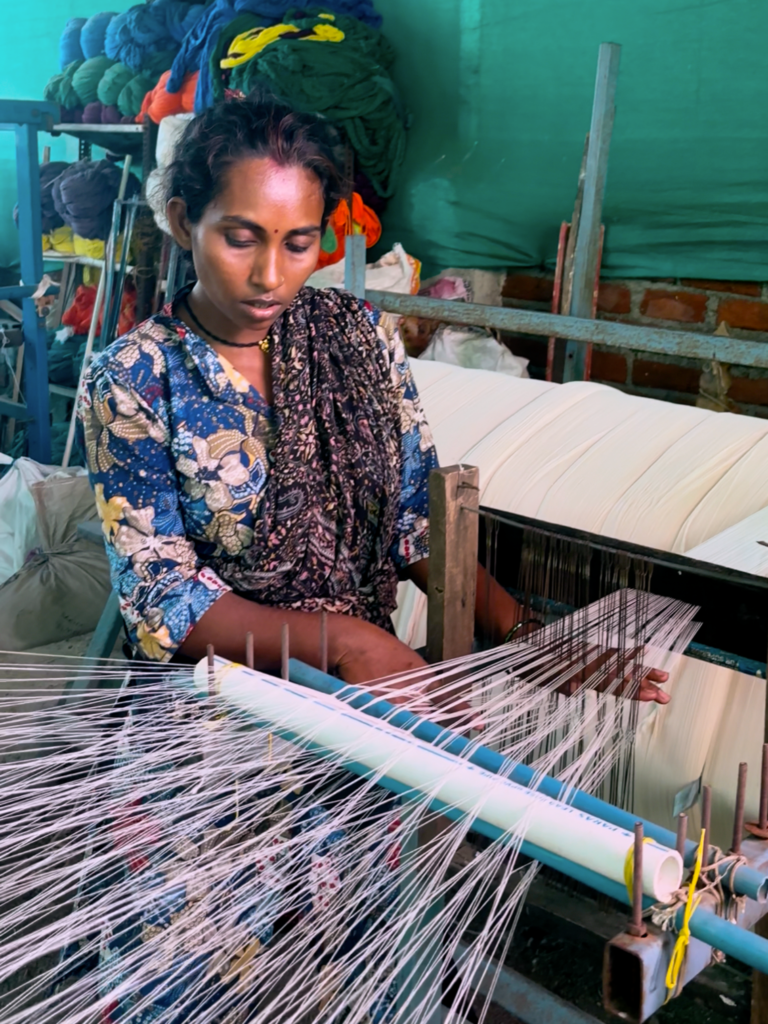
Anita Tai Orke
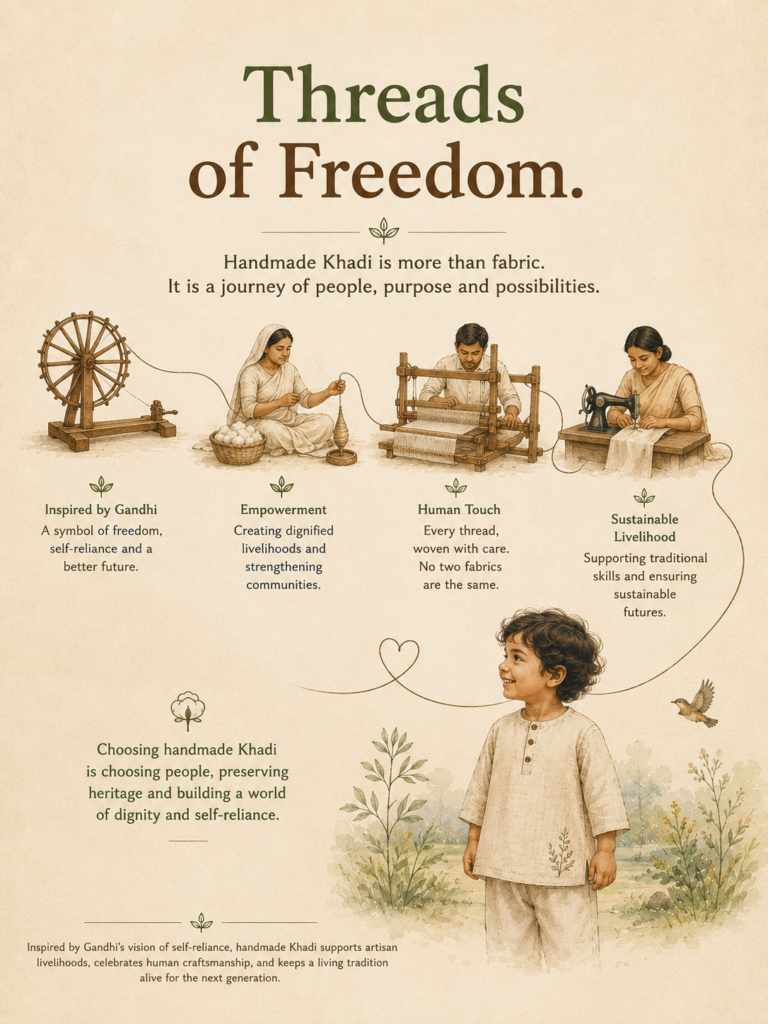
Anita Tai Orke is one of the inspiring women behind the handmade clothing we create at Nunhum. Living in Satoda, near Wardha, she is among the few artisans who chose Khadi not simply as a source of income, but as a lifelong passion.
A mother of two sons, Anita Tai balances family responsibilities, household work, and her craft with remarkable dedication. From strengthening yarn and preparing warps to weaving on the handloom, she is involved in many stages of the cloth-making process.
Through her dedication and skill, Anita Tai has become a source of inspiration for many women in Satoda. Her journey shows that traditional crafts can create not only livelihoods but also confidence, purpose, and pride within the community.
Every garment touched by her hands carries a story of patience, craftsmanship, and care.
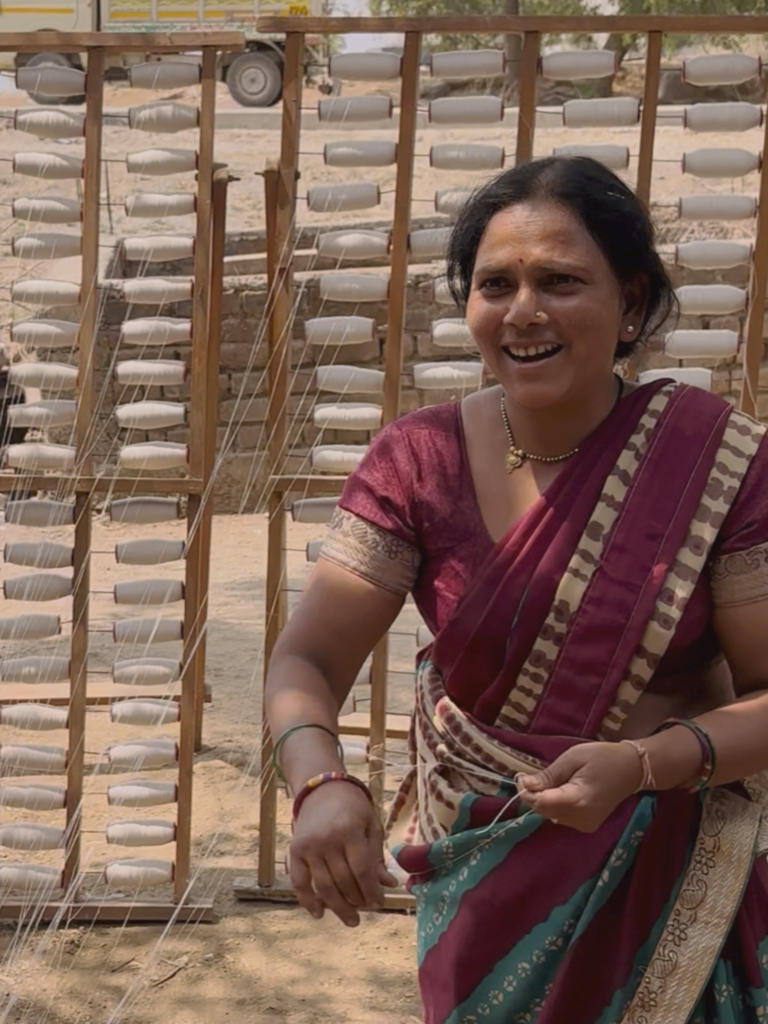
Varsha Tai Bhoiyar
Varsha Tai Bhoiyar, aged 39, lives in the village of Satoda near Wardha. With over 12 years of experience in traditional textile craftsmanship, she is one of the skilled artisans behind Nunhum.
A mother of one son and one daughter, Varsha Tai balances her household responsibilities while working from home. Her expertise spans multiple stages of the Khadi-making process, including handloom weaving, warping, spinning on the charkha, and operating the Ambar Charkha.
For Varsha Tai, this work is not only a source of income but also something she deeply enjoys. Through her dedication and skill, she helps preserve generations-old textile traditions while creating fabrics that carry the care, patience, and craftsmanship of artisan hands.
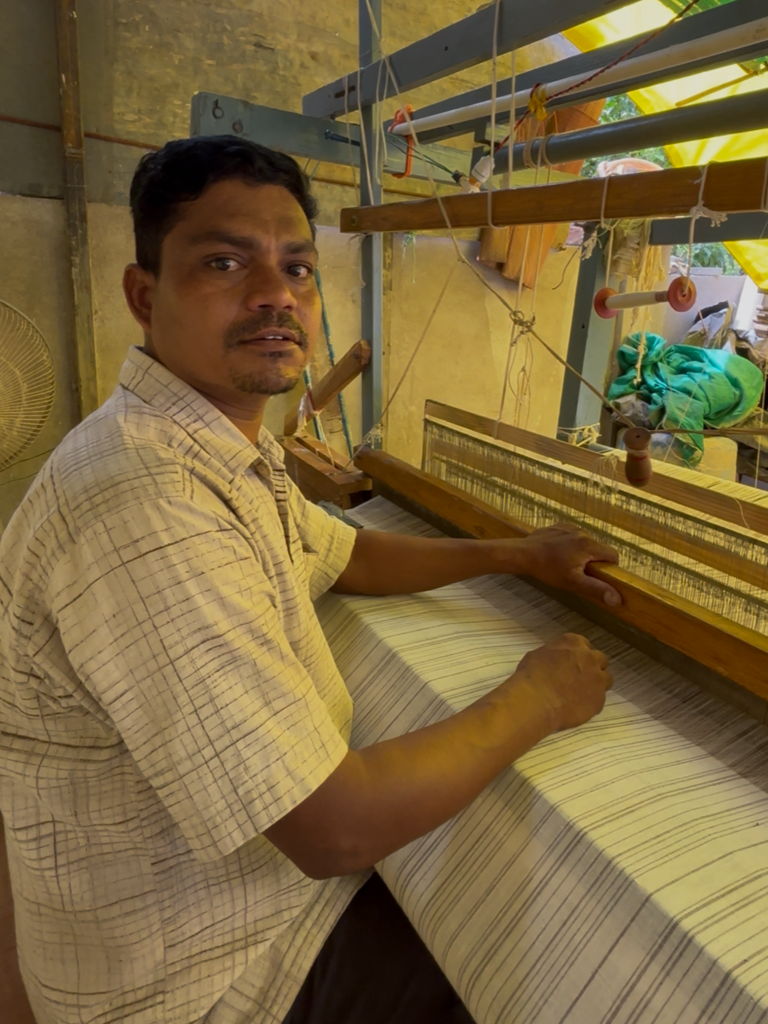
Nilkanth Bhau
Nilkanth Bhau, 40, is a second-generation weaver from Nalwadi, Wardha. As a child, he would quietly sit at his father’s loom whenever he stepped away, teaching himself the craft through curiosity and observation.
Today, a father of one son and one daughter, he has spent the last 20 years weaving Khadi fabric with skill and dedication. We are proud to have him as part of the Nunhum family, helping keep the tradition of handwoven Khadi alive for the next generation.
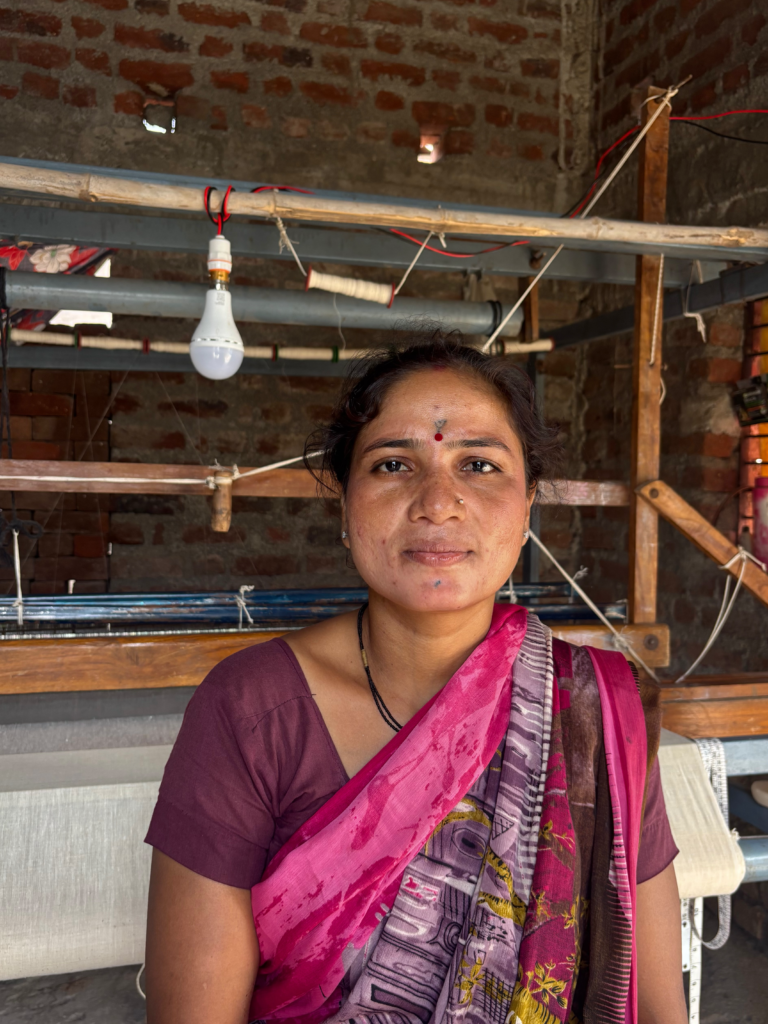
Sunanda Tai Orke
Sunanda Tai Orke, 35, lives in Satoda and has been working with Khadi for the past 10 years. A mother of one daughter, she balances family life with her craft, bringing care and dedication to every step of the process.
Through her work, Sunanda Tai helps preserve the tradition of handmade Khadi while contributing to her family’s livelihood. We are proud to have her as part of the Nunhum family.
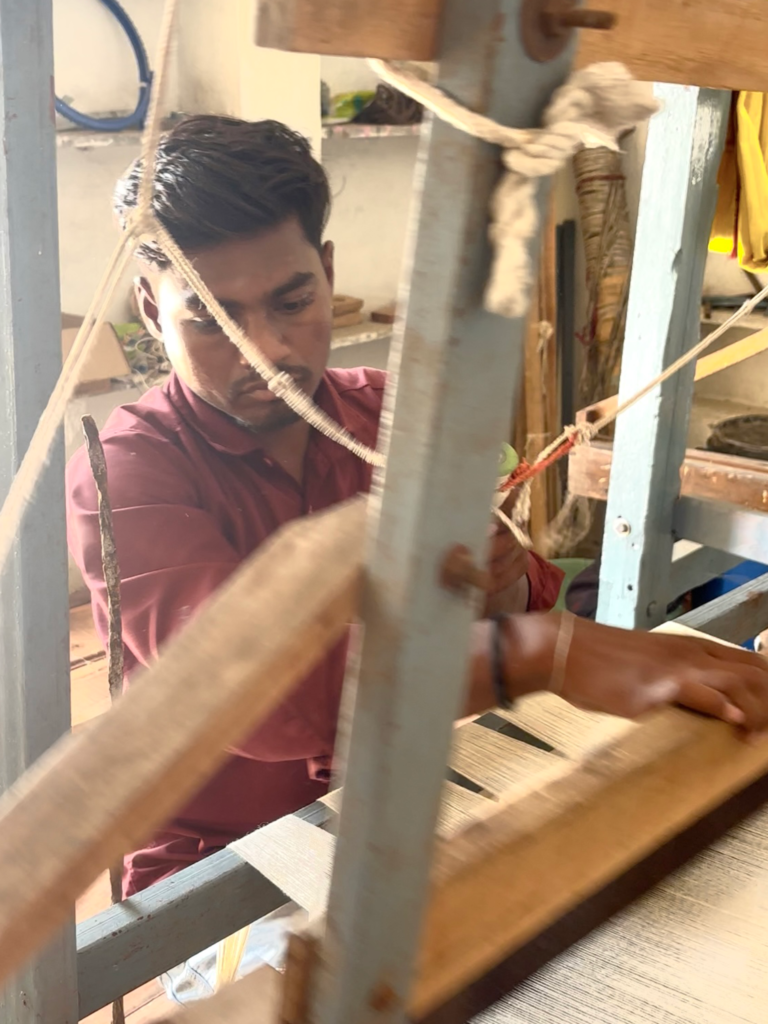
Akshay Dhaga
Akshay Dhaga, 24, comes from Dhaga village in Karanja Ghadge and belongs to the Gond Indigenous community. Holding a degree in MSW, he is passionate about creating opportunities in rural communities through meaningful work.
After joining Nunhum three months ago, Akshay began learning every stage of the Khadi process, including handloom weaving. His dream is to bring Khadi work to his hometown, train women in the village, and help create sustainable livelihoods rooted in local skills and traditions.
For Akshay, Khadi is not just a fabric. It is a path toward preserving culture, strengthening communities, and building a more self-reliant future.