
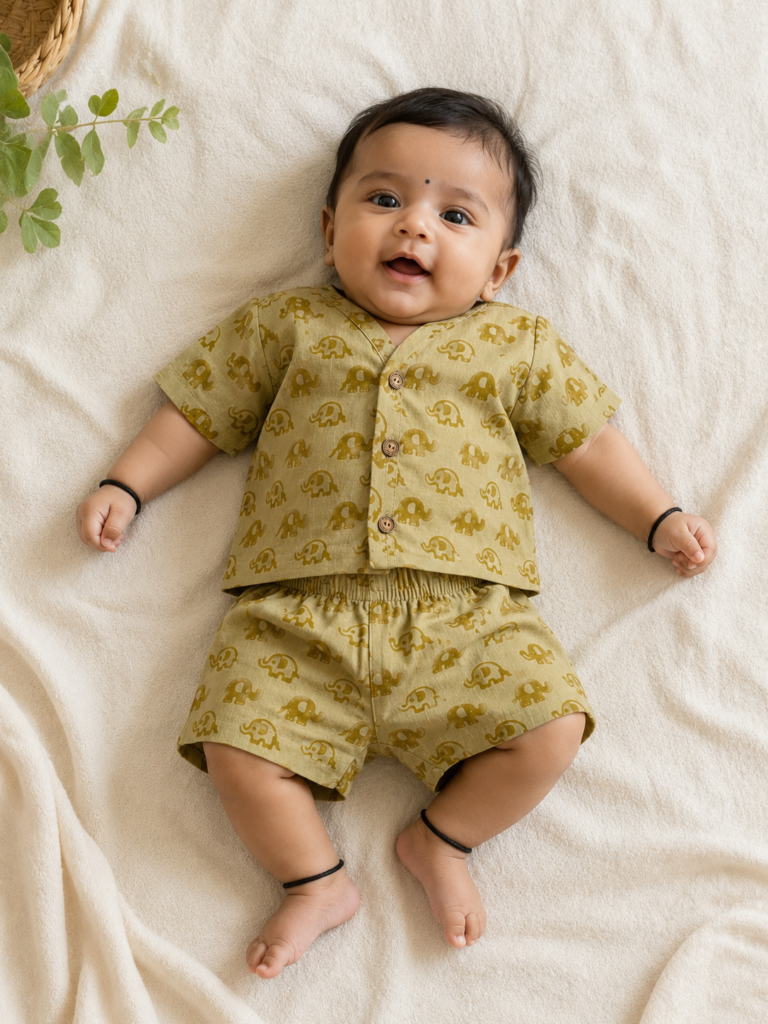
When dressing a newborn or infant, parents face a constant balance between practical everyday needs, safety, and fabric comfort. To understand how mothers navigate these choices, researchers Dr. Shefali Massey and Dr. Shahnaz Jahan conducted a study published in Textile Trends examining the garment selection practices of mothers with children under two years old.
Their research highlights key priorities—from purchasing preferences to essential functional features—that every parent considers when choosing clothes for their little ones.
1. Why Readymade Clothing Leads the Way
The study revealed a strong preference for ready-to-wear infant garments over custom-tailored or homemade options:
- 100% Preference for Readymade: Every mother surveyed reported buying readymade garments for their infants, compared to 6% who utilized tailors and 2% who crafted clothes at home.
- Fabric and Variety: The primary reason mothers chose readymade garments was access to a wider selection of fabrics and overall styles (72%), alongside finding desired visual designs (52%).
- Practical Convenience: Busy schedules and lack of sewing time (26%) or sewing skills (20%) also contributed significantly to selecting off-the-rack options.
When choosing readymade garments, 66% of mothers relied on specific garment sizing to guide their choice, while 38% selected by age category, and 14% prioritized overall design and style.
2. Spend Expectations and Wardrobe Management
Understanding how parents plan their purchases reveals a strong focus on practical value:
- Core Price Range: The majority of mothers (42%) preferred spending between Rs. 201 to 300 per garment.
- Secondary Ranges: 16% preferred Rs. 301–400, while equal portions (12% each) chose Rs. 100–200 or Rs. 401–500.
- Higher Price Tiers: Only 10% of respondents regularly selected garments priced above Rs. 600.
Additionally, 68% of mothers reviewed their infant’s current wardrobe before making new purchases to avoid unnecessary duplication and manage clutter.
3. Core Criteria: Comfort and Care First
When ranking the criteria that influence their buying decisions, mothers consistently placed tactile experience and ease of care at the top:
- Comfort: Ranked as the single most critical factor overall.
- Ease of Care: Simple laundering and low maintenance ranked second.
- Price: Overall affordability and value placed third.
- Fit and Durability: Proper fit and long-lasting fabric construction rounded out the top five selection factors.
While specialized finishes like antimicrobial treatments ranked lower in general everyday awareness, basic physical comfort remained the fundamental priority for every parent.
4. Key Functional Features for Infants
Infants experience rapid growth during their first two years, making functional flexibility essential. Mothers ranked specific garment requirements in the following order of importance:
- Room for Growth: Identified as the most important requirement. Garments designed with adjustable features, flexible sizing, and stretch allow clothes to adapt as the child grows.
- Softness: Ranked second, emphasizing the need for gentle, non-irritating materials against delicate infant skin.
- Absorbency: Ranked third to effectively manage spills, drool, and moisture.
- Safety: Ensuring fastenings, seams, and trims remain secure and non-hazardous.
Interestingly, while 70% of mothers noted that infants do not express explicit garment preferences, 26% observed that infants responded positively to bright colors, and 10% noticed interest in interactive elements like buttons and zippers.
What This Means for Choosing Garments
The study’s findings reinforce essential guidelines for selecting gentle, functional clothing for young children:
- Prioritize Breathable, Soft Fabrics: Infant skin thrives in natural, smooth materials like pure organic cotton that minimize friction and skin sensitivity.
- Look for Growth-Friendly Designs: Fold-over cuffs, adjustable snaps, and stretchable knits extend the usable life of garments during growth spurts.
- Keep Maintenance Simple: Garments that wash easily while retaining their shape and softness offer long-term practical convenience for daily wear.
Reference & Academic Credit
- Study: Infant’s Clothing Selection Practices Followed by Mothers
- Authors: Dr. Shefali Massey (Assistant Professor, Dept. of Fashion and Apparel Design, GGGI) & Dr. Shahnaz Jahan (Professor & Head, Dept. of Clothing and Textiles, G.B.P.U.A. & T)
- Source: Textile Trends Journal, December 2011